


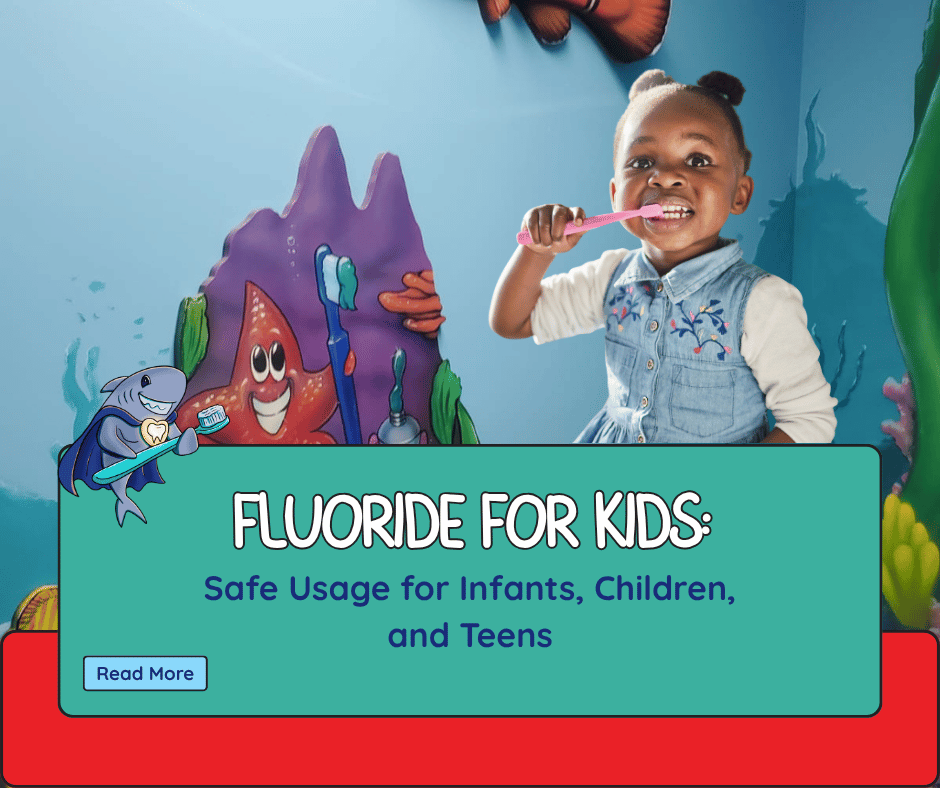
Fluoride for Kids: Safe Usage for Infants, Children, and Teens

Parents often ask us the same important questions about fluoride for kids: Is fluoride safe? When should my baby start using fluoride toothpaste? How much toothpaste should my child use? And does my child still need fluoride treatments if we have fluoridated water?
The short answer is that fluoride is a safe and effective tool for preventing cavities when it is used in the right amount for a child’s age and individual needs. It helps strengthen tooth enamel, supports the repair of early mineral loss, and makes teeth more resistant to the acids that cause tooth decay.
The American Academy of Pediatric Dentistry’s fluoride recommendations support age-appropriate fluoride use for infants, children, and adolescents. At Tooth Patrol Pediatric Dentistry, our goal is to help families understand how to use fluoride safely—not simply recommend more of it.
For families in Moorestown, Cherry Hill, and throughout South Jersey, here is our practical guide to fluoride from the first baby tooth through the teen years.
What is Fluoride?
Fluoride is a naturally occurring mineral found in water, soil, certain foods, and many dental products. In dentistry, fluoride is especially valuable because of the way it interacts with tooth enamel.
Every day, bacteria in the mouth use sugars and carbohydrates from food and drinks and produce acids. Those acids can pull minerals out of enamel in a process known as demineralization.
Fluoride helps shift that balance back in a healthier direction. It encourages remineralization, helping calcium and phosphate return to weakened areas of enamel while making the tooth surface more resistant to future acid attacks.
That is why fluoride is commonly found in toothpaste and drinking water and why dentists may recommend professional pediatric fluoride treatments for children who would benefit from additional protection.

Is Fluoride Safe for Kids?
Yes. When used according to age-appropriate recommendations, fluoride is considered safe and effective for helping prevent tooth decay in children.
The key is using the right amount.
Young children are more likely to swallow toothpaste instead of spitting it out, so parents should control how much toothpaste goes onto the toothbrush. Additional fluoride products, such as supplements or concentrated rinses, should not simply be added because a child is cavity-prone. Your pediatric dentist should first consider your child's age, cavity risk, drinking water, diet, toothpaste use, and other sources of fluoride.
This individualized approach is especially important because more fluoride is not automatically better.
Fluoride for Kids by Age
Age | Fluoride toothpaste | Professional fluoride | Other considerations |
First tooth to age 3 | Brush twice daily using a smear approximately the size of a grain of rice | Fluoride varnish may begin when the first tooth erupts | Parent should apply the toothpaste and do the brushing |
Ages 3–6 | Brush twice daily using a pea-sized amount | Frequency depends on cavity risk and the dentist’s recommendation | Supervise closely and teach the child to spit |
Ages 6–12 | Continue brushing twice daily with fluoride toothpaste | May be recommended during routine visits based on cavity risk | Fluoride mouthrinse may be appropriate for some children who can reliably spit |
Teens | Continue twice-daily fluoride toothpaste | Additional professional or prescription fluoride may help high-risk teens | Braces, frequent snacking, dry mouth, and previous cavities may increase risk |
The American Dental Association’s toothpaste recommendations similarly advise a grain-of-rice-sized smear for children younger than 3 and a pea-sized amount beginning at age 3.
Fluoride for Babies and Toddlers
When Should a Baby Start Using Fluoride Toothpaste?
You do not need to wait until your child is 2 or 3.
The American Academy of Pediatric Dentistry, American Dental Association, and American Academy of Pediatrics support beginning a very small amount of fluoride toothpaste when the first tooth appears.
For children younger than 3, use only a smear about the size of a grain of rice twice each day.
Because babies and toddlers cannot reliably spit, a parent or caregiver should place the toothpaste on the toothbrush and brush the child's teeth.
Your baby's first tooth is also a good reminder to establish a dental home. The first dental visit should occur by the first birthday, and our guide to your child's first dental visit at Tooth Patrol explains what parents can expect.

Is Fluoridated Water Safe for Baby Formula?
Yes. Fluoridated tap water can be used to prepare infant formula.
The American Academy of Pediatrics explains that fluoridated water can safely be used for formula, although exclusively using fluoridated water for powdered or concentrated formula may slightly increase the possibility of mild dental fluorosis.
If your baby receives most or all nutrition from formula and you have concerns about your local water supply, talk with your pediatric dentist or pediatrician. There is usually no need to make changes without considering the baby's total fluoride exposure.
Fluoride for Preschool and School-Age Children
Beginning at age 3, children should generally use a pea-sized amount of fluoride toothpaste twice per day.
Children at this age still need help. Many young kids can move a toothbrush around their mouths but do not yet have the coordination to clean every tooth effectively.
Parents should continue to supervise brushing, make sure children are reaching the back teeth and gumline, and encourage them to spit out excess toothpaste instead of swallowing it.
During regular pediatric dental checkups, we can also evaluate how well a child is brushing and provide personalized oral hygiene education for kids rather than expecting every family to follow exactly the same routine.
Fluoride for Teens
Fluoride remains important after the baby teeth are gone.
Teenagers may actually experience new cavity risks because of frequent snacking, sports drinks, soda, inconsistent brushing, orthodontic appliances, or simply busy schedules.
Teens with braces require especially careful cleaning because plaque can collect around brackets and wires. For a teen with elevated cavity risk, a pediatric dentist may recommend professional fluoride or, in certain situations, prescription-strength fluoride products.
What Is Fluoride Varnish?
Fluoride varnish is a concentrated fluoride treatment that a dental or medical professional paints onto the teeth.
It takes only a few moments to apply and is particularly useful for young children because it sets quickly when it contacts saliva.
Fluoride varnish can help strengthen enamel and reduce the chance that early areas of mineral loss progress into cavities. The American Academy of Pediatric Dentistry recommends professionally applied topical fluoride as part of cavity prevention based on a child's needs.
At Tooth Patrol, fluoride recommendations are part of a broader preventive plan that may also include regular pediatric teeth cleanings, brushing and nutrition guidance, and protection for cavity-prone teeth.

How Often Do Kids Need Fluoride Treatments?
There is no single schedule that is right for every child.
A child with very low cavity risk may need a different preventive plan from a child who has already developed several cavities, wears braces, has enamel differences, experiences dry mouth, has difficulty brushing, or has limited fluoride exposure at home.
Professional fluoride is commonly provided during preventive dental visits, with frequency adjusted according to cavity risk. The AAPD recommends professionally applied topical fluoride treatments at least twice per year for caries prevention, while some higher-risk children may benefit from more frequent applications.
This is why we evaluate fluoride as part of the whole child rather than automatically prescribing the same schedule for everyone.
Fluoridated Water and Children's Teeth
Community water fluoridation provides small amounts of fluoride throughout the day.
The Centers for Disease Control and Prevention’s information on community water fluoridation explains that the recommended U.S. concentration is 0.7 milligrams per liter and reports that fluoridated drinking water reduces cavities in children and adults.
However, fluoride levels can differ depending on where a family lives and which water system serves the home. Families using well water should not assume that it contains enough, or too much, fluoride.
Before prescribing a fluoride supplement, a pediatric dentist should evaluate the fluoride concentration in the child's primary drinking water along with other fluoride sources and the child's cavity risk.
What Is Dental Fluorosis?
Dental fluorosis occurs when a young child consumes more fluoride than needed while permanent teeth are developing underneath the gums.
Most fluorosis in the United States is mild. It may look like faint white flecks, lines, or areas on the enamel and usually does not affect the health or function of the teeth.
The CDC’s guidance on dental fluorosis notes that only children whose teeth are still developing can develop fluorosis. By approximately age 8, the enamel of most permanent teeth has already formed.
The easiest ways to lower unnecessary fluoride ingestion are to use the correct amount of toothpaste, supervise young children while brushing, teach them to spit when developmentally ready, and keep toothpaste and fluoride supplements out of reach.
Should Kids Use Fluoride Mouthwash?
Fluoride mouthrinse is not necessary for every child.
Over-the-counter fluoride rinses are generally intended for children older than 6 who can reliably rinse and spit without swallowing. The ADA does not recommend routine use in children younger than 6 because repeated swallowing can contribute to excess fluoride exposure.
For an older child with a high risk of cavities, a pediatric dentist may recommend a fluoride rinse as one part of a personalized preventive plan.
Do Children Still Need Fluoride If They Have Dental Sealants?
Fluoride and sealants protect teeth in different ways, so one does not replace the other.
Fluoride strengthens exposed tooth surfaces and supports remineralization. Dental sealants for children create a thin physical barrier over the deep pits and grooves of back teeth, where toothbrush bristles may have difficulty reaching.
Used together when appropriate, fluoride, sealants, good brushing, flossing, balanced nutrition, and routine dental care provide multiple layers of cavity prevention.
Is Fluoride the Same as Silver Diamine Fluoride?
No.
Traditional fluoride toothpaste and fluoride varnish are primarily used to help prevent tooth decay and strengthen enamel.
Silver diamine fluoride, commonly called SDF, is a different dental material that may be used to help arrest an existing cavity. It can be especially useful for very young children, children who are anxious about dental treatment, and some patients with special healthcare needs.
You can learn more about how we use silver diamine fluoride for minimally invasive cavity care at Tooth Patrol.
A Pediatric Dentist's Approach to Fluoride
For us, the most important question is not simply, “Does my child need fluoride?”
It is: What combination of preventive care makes sense for this particular child?
We consider age, previous cavities, brushing habits, diet, orthodontic appliances, enamel development, special healthcare needs, water exposure, and how comfortably a child can participate in home and office care.
Our board-certified pediatric dentists provide preventive care for infants through teens at our Moorestown pediatric dental office and Cherry Hill pediatric dental office, serving families throughout South Jersey.
Our goal is always the same: use evidence-based prevention to keep treatment as simple, comfortable, and minimally invasive as possible.
Frequently Asked Questions About Fluoride for Kids
Is fluoride safe for children?
Yes. Fluoride is considered safe and effective for preventing cavities when children receive age-appropriate amounts. Young children should use only the recommended amount of toothpaste and should be supervised so they do not repeatedly swallow it.
What age should kids start fluoride toothpaste?
Fluoride toothpaste can begin when the first tooth erupts. Children younger than 3 should use only a grain-of-rice-sized smear twice daily.
How much fluoride toothpaste should a 3-year-old use?
Beginning at age 3, use approximately a pea-sized amount of fluoride toothpaste. Parents should continue helping or supervising brushing and encourage the child to spit out excess toothpaste.
Does my child need fluoride treatment if we use fluoride toothpaste?
Possibly. Fluoride toothpaste is an important first line of defense, but professional fluoride may provide additional protection depending on the child's cavity history and individual risk.
Can my baby drink fluoridated water?
Yes. Fluoridated drinking water is considered safe for infants, including when it is used to prepare formula. Parents concerned about total fluoride exposure can discuss their baby's feeding pattern and local water source with a pediatric dentist or pediatrician.
Can kids get too much fluoride?
Excessive fluoride ingestion while permanent teeth are developing can cause dental fluorosis. Using a rice-sized smear of toothpaste before age 3, a pea-sized amount afterward, and supervising brushing helps limit unnecessary swallowing.
At what age can a child use fluoride mouthwash?
Fluoride mouthrinse is generally considered for children older than 6 who can reliably spit it out. Whether a child needs it should be based on cavity risk rather than age alone.
Is fluoride varnish painful?
No. Fluoride varnish is brushed directly onto the teeth and does not require drilling, injections, or numbing. The application is quick and is generally well tolerated even by very young children.
Helping South Jersey Kids Build Stronger Smiles
Fluoride for kids is most effective when it is one part of a consistent preventive routine: brushing twice daily with the correct amount of fluoride toothpaste, flossing where teeth touch, limiting frequent sugary snacks and drinks, and maintaining regular dental visits.
At Tooth Patrol Pediatric Dentistry, Dr. Gary and Dr. Jas help families make informed decisions without fear or one-size-fits-all recommendations. Whether your child is getting their first tooth or heading into the teen years, we are here to support healthy habits, confident smiles, and preventive care designed around your family.
Families with questions about fluoride, cavity prevention, or their child's individual dental needs can contact Tooth Patrol Pediatric Dentistry for care in Moorestown or Cherry Hill.
Healthy Habits. Confident Smiles. Trusted Care.


This is a very informative article that helps parents understand the importance of fluoride in maintaining strong and healthy smiles. Clear guidance about safe fluoride use, toothpaste amounts, and preventive care makes it easier for families to make confident decisions for their children’s oral health. Early education and regular visits with a Kids Dentist in Corinth can help prevent cavities and support lifelong dental wellness.